

Mold usually starts with a water problem nobody caught in time. Removing it safely means containing it, removing it properly, and fixing the moisture that caused it, so it doesn’t come back.
Every mold job follows IICRC remediation standards, from containment to final clearance.
Signs You May Have a Mold Problem
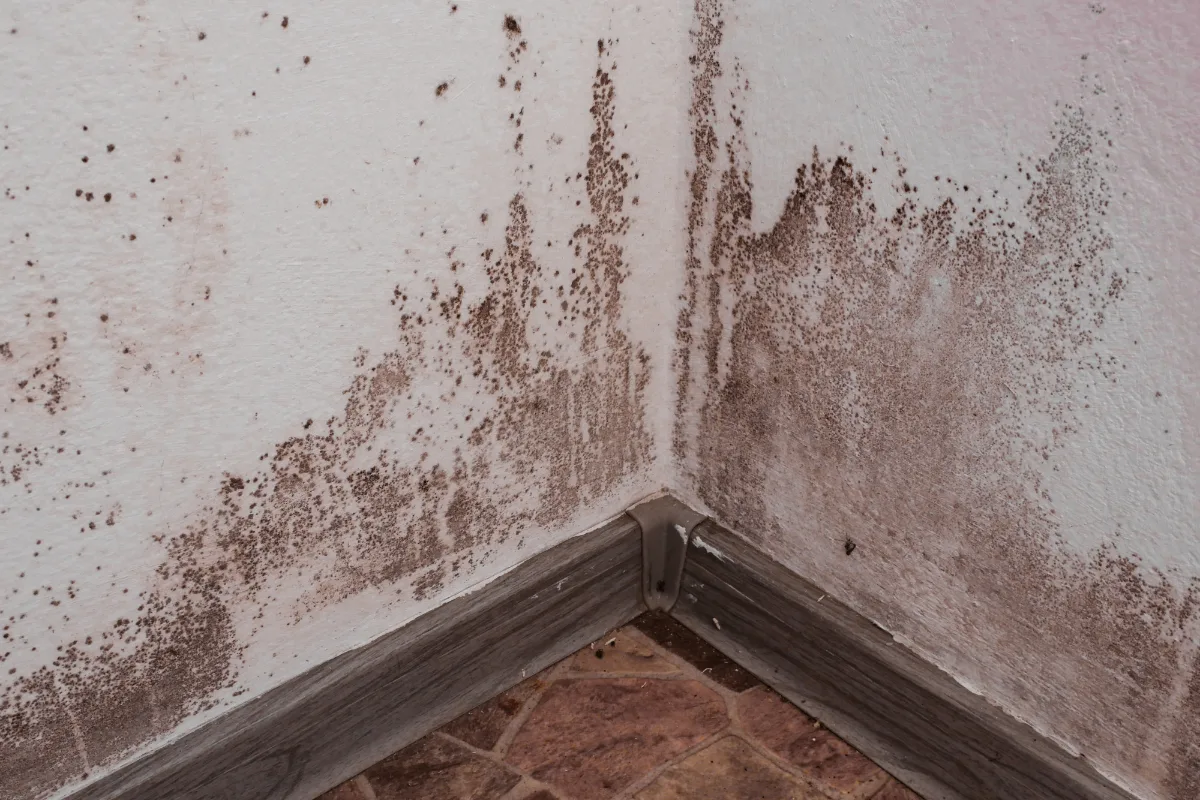
- A musty, earthy smell, especially in the basement
- Visible spots or staining on walls, ceilings, window frames or under sinks
- Past leaks or flooding that were not fully dried
- Peeling paint, warped drywall or lifting flooring
- Ongoing high humidity or condensation on windows
Our Mold Remediation Process
- Inspection. We look for visible growth and use a moisture meter to find the water source feeding it.
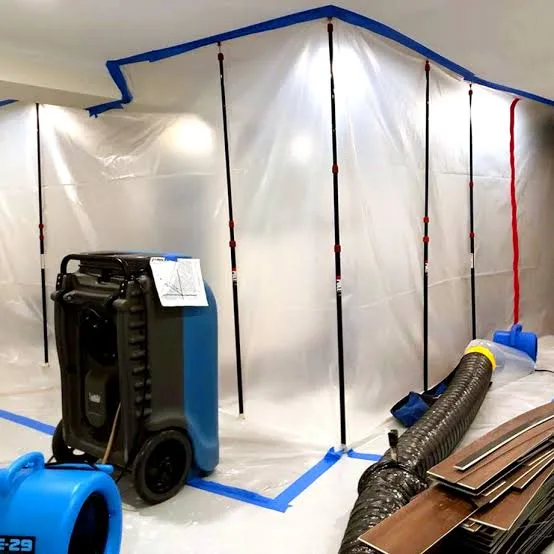
- Containment. The work area is sealed off so mold spores aren’t spread to the rest of your home.
- Air filtration. HEPA air scrubbers clean the air during the work.
- Removal. Contaminated materials that cannot be cleaned, such as drywall and insulation, are removed and bagged. Salvageable surfaces are cleaned and HEPA vacuumed.
- Drying and moisture control. The area is dried and the cause of the moisture is dealt with. Without this step, mold comes back.
- Final check and repairs. Confirming the area is clean and dry, then coordinating repairs.
Why Not Just Spray It?
Bleach and store-bought sprays can lighten the colour of mold on the surface, but they don’t remove it from porous materials like drywall and wood, and they don’t fix the moisture problem. Disturbing mold without containment can also spread spores through your home. Proper remediation removes it and addresses the cause.
IICRC-Certified in Mold Remediation
An IICRC-certified technician is on site for every job. Our team is certified by the IICRC as Applied Microbial Remediation Technicians (AMRT), the IICRC’s mold remediation certification, and we follow industry-standard methods for safe removal.
Worried About Mold in Your Home?
Call us directly for an honest look at what you’re dealing with and what it will take to fix it.